

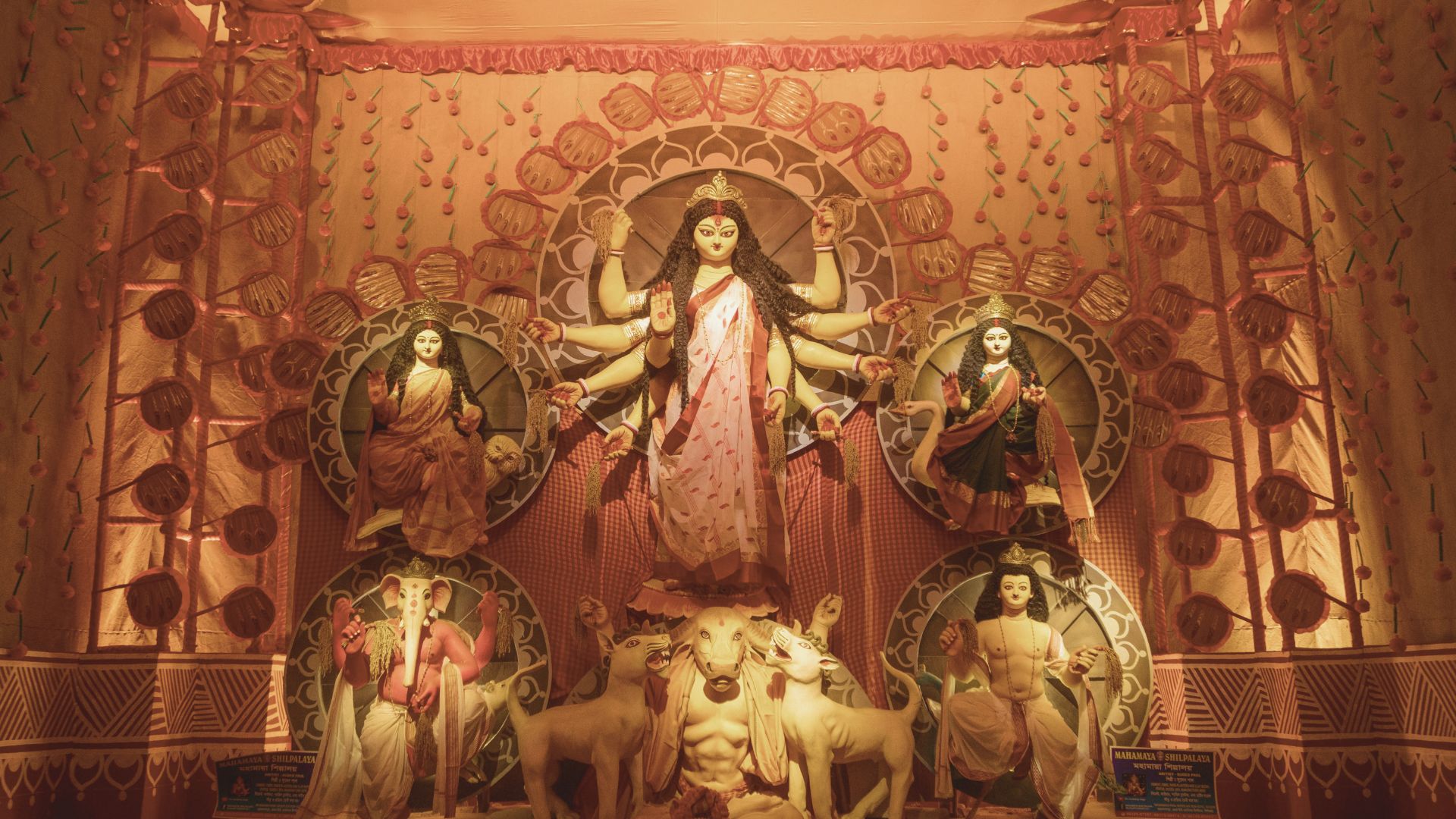
Laxmi Puja 2083 Nepal: Festival Traditions, Rituals And Preparation. Laxmi Puja, the third and central day of Tihar (Yamapanchak), is one of the most vibrant and sacred celebrations in Nepal. In Bikram Sambat 2083, Laxmi Puja falls on Kartik 22 (November 8, 2026), bringing households and communities together in devotion, joy, and spiritual renewal.
1. Meticulous Household Preparation
According to Hindu belief, Goddess Laxmi enters only those homes that are immaculate, serene, and brightly lit.
Deep Cleaning and Painting: Families scrub every corner of their houses. Outer walls are often freshly painted or patched with traditional rato mato (red mud) and cow dung mixtures, creating a sacred environment.
Shopping for Essentials: Local bazaars like Asan and Mangal Bazaar become bustling hubs where people purchase clay diyas (oil lamps), mustard oil, marigold (sayapatri) and globe amaranth (makhamali) flowers, new brass or copper utensils, and sweets.
2. Sacred Evening Traditions and Rituals
As dusk approaches on the new moon night (Aunsi), the atmosphere shifts from busy preparation to deep devotion.
Guiding the Goddess Inward
Goddess Laxmi steps inside and blesses the family. At the entrance, intricate rangoli patterns made of colored powders, rice, and fresh petals serve as artistic welcoming mats.
The Main Puja Rituals
In the evening, family members gather around the home altar, dressed in new or clean traditional attire.
Setting the Sacred Altar: Images or statues of Goddess Laxmi, Lord Ganesh (to remove obstacles), and Lord Kuber (guardian of wealth) are placed on a decorated platform alongside a kalash (holy water vessel).
Offerings: Offerings include fresh fruits, traditional sel roti (ring-shaped rice doughnuts), money, family jewellery, cash registers, and account ledgers (khata). Business owners across Nepal pay special reverence to their financial ledgers on this night, marking a symbolic new financial beginning.
Illumination: The head of the family lights a main “diyo” (oil lamp), followed by the lighting of lamps across every window, doorway, courtyard, and balcony. No corner is left in darkness.
3. Cultural Celebrations: “Bhailo” and Festivities
Once the main prayers have concluded and doors are left symbolically open to welcome good fortune, the festive night truly comes alive.
Bhailo Singing: Traditionally, groups of young girls go from house to house singing classic “Bhailo” songs, offering blessings of abundance to the host families.
Illuminated Cities: Major cities such as Kathmandu, Lalitpur, Pokhara, and Biratnagar glow with vibrant, warm light.
The Meaning of Laxmi Puja
Clearing away old dust and illuminating dark spaces symbolises the shedding of negativity, malice, and ignorance, paving the way for wisdom, peace, and prosperity in the coming year.
Conclusion
On the day of Laxmi Puja, many people illuminate their homes with lights—often arranging them to form specific shapes—giving the festival a dazzling, sparkling appearance. While customs vary by region, the occasion is celebrated with great enthusiasm and ease.
Homes and courtyards are decorated with colourful patterns (using seven colours), and the day is marked by grand, elaborate celebrations. In addition to the traditional practice of lighting “diyo” (oil lamps), it is also common to display various types of electric lights in front of the house.
In Nepal, Laxmi Puja is primarily celebrated by followers of the Hindu faith. The observance follows specific traditions, though these practices can vary by location; the ways in which Laxmi Puja is celebrated differ across the Himalayan, Hilly, and Terai regions.