

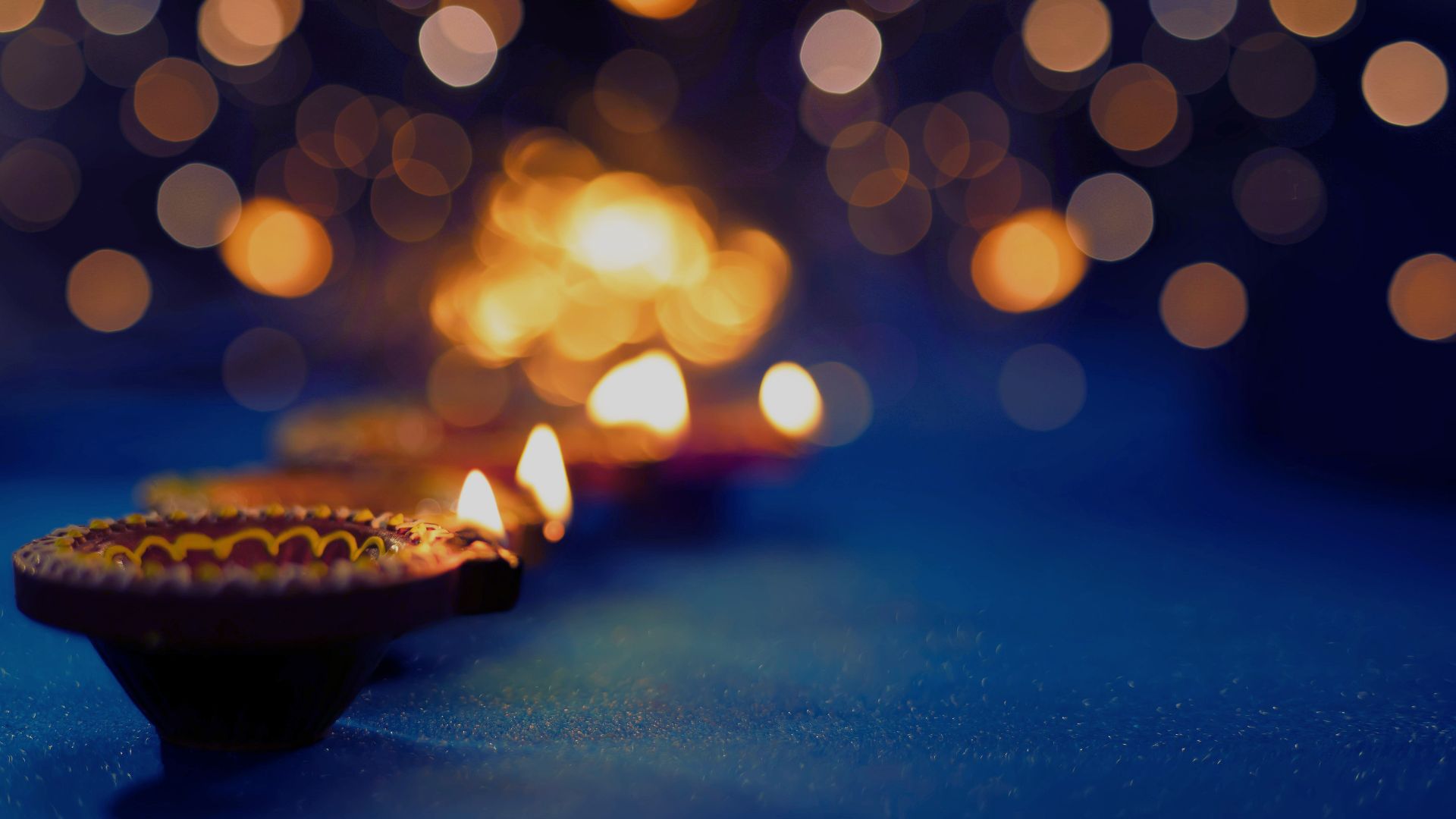
Deepavali 2026: Date In Nepal, Tihar 2083 Calendar, Laxmi Puja And Festival Wishes Known widely as Deepavali across South Asia and Tihar or Swanti in Nepal, this five-day festival of lights is one of the most cherished, culturally vibrant celebrations in the country. Deepavali is a time to honour nature, express gratitude to domestic animals, strengthen family bonds, and welcome prosperity into every home.
Tihar 2083 Calendar & Important Dates in Nepal
In Nepal, traditional festival dates are governed by the Bikram Sambat (BS) lunar calendar. According to the Tihar 2083 Calendar, the celebrations run from Kartik 21 to Kartik 25, 2083 BS (November 7 to November 11, 2026 AD).
| Day | Festival / Event | Date (B.S.) | Date (A.D.) | Day of Week |
| Day 1 | Kaag Tihar (Crow Worship) / Dhanwantari Jayanti | Kartik 21, 2083 | Nov 7, 2026 | Saturday |
| Day 2 | Kukur Tihar (Dog Worship) & Laxmi Puja (Evening) | Kartik 22, 2083 | Nov 8, 2026 | Sunday |
| Day 3 | Gai Tihar (Cow Worship) | Kartik 23, 2083 | Nov 9, 2026 | Monday |
| Day 4 | Goru Tihar / Govardhan Puja & Mha Puja (Nepal Sambat 1147 New Year) | Kartik 24, 2083 | Nov 10, 2026 | Tuesday |
| Day 5 | Bhai Tika (Kija Puja) | Kartik 25, 2083 | Nov 11, 2026 | Wednesday |
| Holiday | Tihar Holiday | Kartik 26, 2083 | Nov 12, 2026 | Thursday |
Laxmi Puja: Inviting Wealth and Light
The heart of Deepavali lies in Laxmi Puja, which falls on Sunday, November 8, 2026 (Kartik 22, 2083 BS). To guide Goddess Laxmi (the deity of wealth, fortune, and prosperity) into the household, families paint small red-mud footprints leading from the main entrance to the altar or safe.
As night falls, every window and doorway glows with traditional clay oil lamps (diyos) and shimmering string lights. The evening air comes alive with joyful chants, sweet aromas of freshly cooked Sel Roti (a traditional ring-shaped rice bread), and the rhythmic songs of Bhailo and Deusi performed by local community groups.
Festival Wishes for Deepavali & Tihar 2083
- “May the glowing light of every diyo illuminate your life with health, endless happiness, and booming prosperity. Happy Deepavali and Tihar 2083!”
- “Wishing you a sparkling Tihar filled with the sweetness of Sel Roti, the warmth of family, and the blessings of Goddess Laxmi. Have a joyful celebration!”
- “May the sacred bond of love between brothers and sisters grow stronger this Bhai Tika. Happy Tihar 2083 to you and your family!”
-
“May the vibrant colours of marigolds and Rangoli bring positivity, success, and peaceful harmony into your home this festive season.”
Conclusion
Deepavali in Nepal is far more than a simple holiday; it is a profound celebration of life, nature, unity, and cosmic gratitude. Deepavali (Tihar) is a very significant festival for the Nepali people, as it involves worshipping animals and participating in the “Bhailo” tradition. During Tihar, Nepalis enjoy themselves by gathering with friends and family, and sisters join in to celebrate and sing “Bhailo” songs. While it is known as Deepavali in India, it is called Tihar in Nepal—essentially, they are the same festival.
In Nepal, this festival—which arrives once every year—is a wonderful occasion. During the celebration, people use seven different colours to create vibrant displays.