

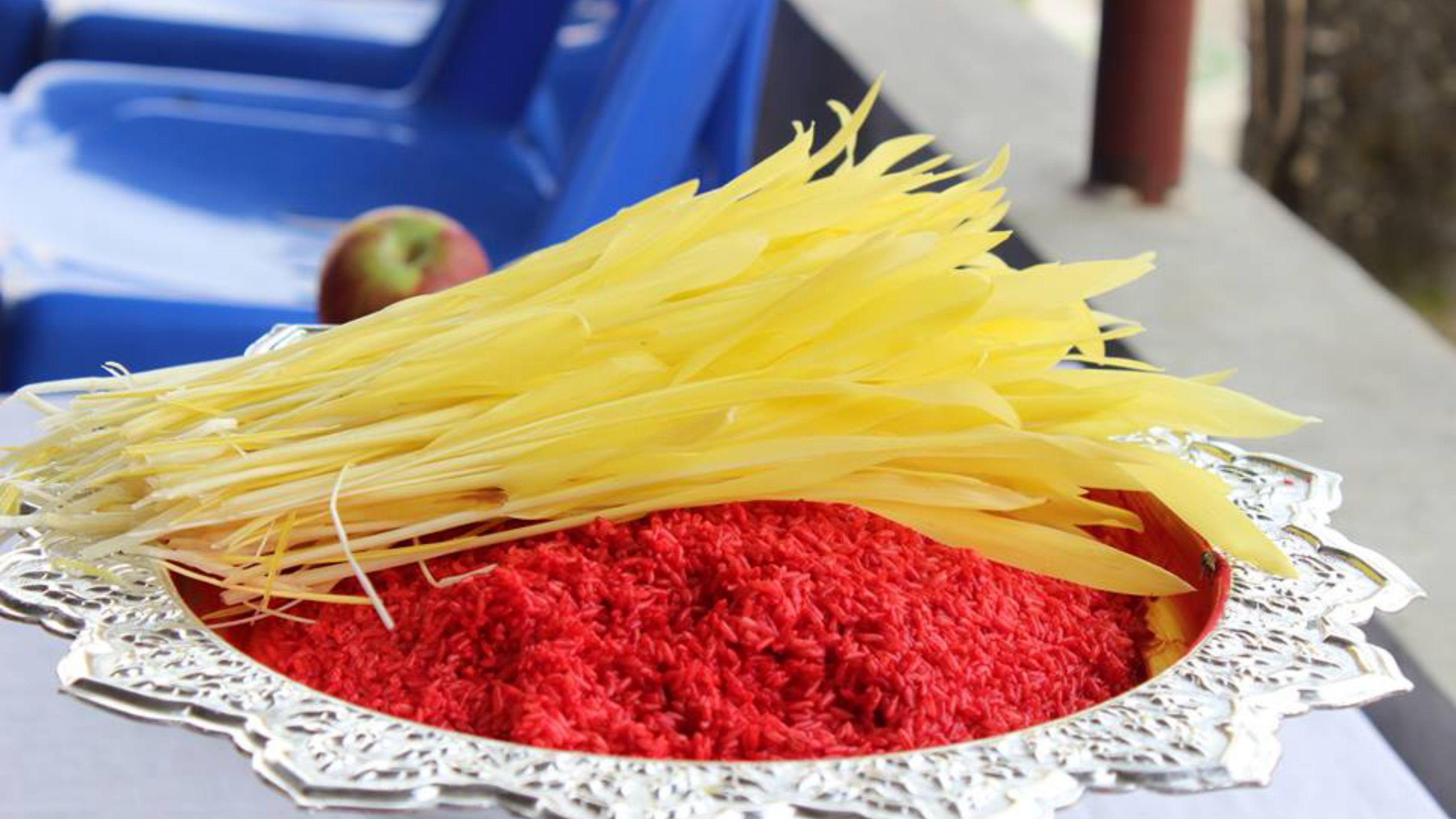
Who Started Dashain in Nepal is celebrated by Nepalese living in India and Nepalese speakers in India. They mainly live in Darjeeling, Sikkim, and Assam. Dashain, also known as Vijaya Dashami, is the greatest and most widely celebrated Hindu festival in Nepal. It typically falls in September or October (depending on the lunar Bikram Sambat calendar) and lasts 15 days. Dashain is much more than a festival.
This festival will be run in Nepal and India, and the rest of the country can celebrate it there. This festival is one of the biggest in our country, Nepal. During this period of time, this was followed under the Hindu culture. As Hindus, people can do this one.It will be started.
Exploring the Roots of Dashain
Dashain, also referred to as Vijaya Dashami, is a prominent Hindu festival celebrated across Nepal and other regions of the Indian subcontinent. It is observed during the lunar month of Ashwin (typically occurring in September or October) and extends over 15 days. Dashain is dedicated to the goddess Durga, who symbolizes divine feminine power and the triumph of good over evil.
Historically, the origins of Dashain can be traced back to ancient Hindu scriptures and mythology. The festival is believed to commemorate the victory of the goddess Durga over the demon king Mahishasura, serving as a powerful symbol of the triumph of virtue over malevolence. Nevertheless, it’s essential to recognize that Dashain, as celebrated in Nepal, boasts its own unique cultural and historical significance.
The role of the Malla Dynasty
The Malla Dynasty, which ruled over various regions of Nepal from the 12th to the 18th centuries, played a pivotal role in shaping Dashain into the celebration we cherish today. The Malla kings of diverse principalities within Nepal were enthusiastic supporters of Hinduism, and their contributions enhanced the grandeur and popularity of the festival.
Throughout their rule, the Malla kings actively promoted Hinduism and its festivals, including Dashain. They orchestrated elaborate celebrations, sumptuous feasts, and religious ceremonies, cementing Dashain’s position as a prominent cultural event.
Dashain’s Contribution to the Unification of Nepal
It was only with the ascent of King Prithvi Narayan Shah, the first monarch of a unified Nepal, that Dashain assumed a more nationalistic character. King Prithvi Narayan Shah, who reigned from 1743 to 1775, harbored a vision of uniting the diverse kingdoms and principalities of Nepal into a single nation. Dashain played a pivotal role in this unification process.
The king’s victorious military campaigns and strategies, which ultimately led to the unification of Nepal, were augmented by the grandeur of Dashain celebrations. This further emphasized the festival’s significance as a symbol of national unity and pride.
Modern-Day Dashain Celebrations
In the present day, Dashain is celebrated with unwavering enthusiasm throughout Nepal. The customs and rituals of the festival continue to evolve, harmonizing ancient traditions with modern practices. Families come together to receive tika (a blend of yogurt, rice, and vermilion) from their elders, exchange blessings, and offer prayers to the goddess Durga.
Dashain festivities also incorporate customs such as kite-flying and, although on a diminishing scale, animal sacrifices. The festival transcends religious boundaries and is celebrated by individuals of various faiths in Nepal.
Conclusion
Dashain, with its deep-seated history and cultural significance, is more than a mere festival; it is a mirror reflecting Nepal’s rich heritage and unity. While its origins can be traced back to Hindu mythology and ancient scriptures, it was the Malla Dynasty and the unification efforts of King Prithvi Narayan Shah that elevated Dashain to its current cultural prominence in Nepal. Today, Dashain remains a unifying force, fostering a sense of national pride and belonging among the Nepalese people.