

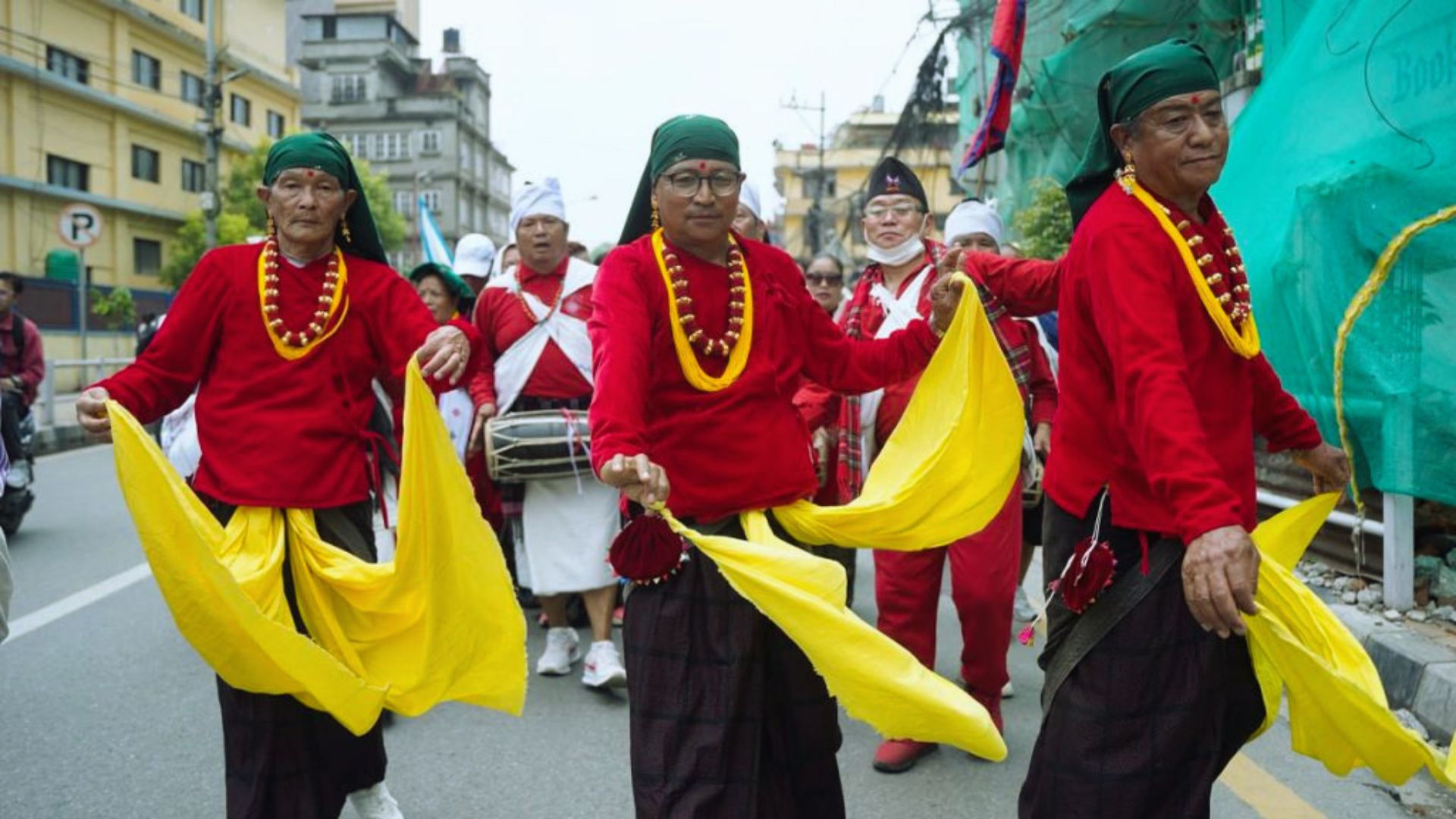
World Indigenous Peoples Day Today, World Indigenous Peoples’ Day is being celebrated with various programs in different countries around the world to protect the rights, identity, culture, and way of life of the world’s indigenous peoples and raise global awareness of their problems.
On December 23, 1994, the United Nations General Assembly decided to observe August 9 of each year as the International Day of the World’s Indigenous Peoples. The day was chosen because the first meeting of the United Nations Working Group on Indigenous Populations was held on August 9, 1982, in Geneva.
According to the United Nations, there are approximately 476 million indigenous peoples living in 90 countries around the world. Although they make up less than 6 per cent of the world’s population, they account for at least 15 per cent of the world’s poorest people.
Indigenous peoples have preserved their unique culture, traditions, and knowledge and practices of the relationship between people and nature for generations. Their social, cultural, economic, and political characteristics are distinct from those of the majority communities in which they live.
The day emphasises the protection of the rights of indigenous peoples, their culture, language, traditional knowledge and relationships with natural resources, as well as their meaningful participation in decision-making processes.
The day provides an opportunity to draw attention to the contributions of indigenous peoples around the world and the challenges they face, and to call on governments, civil society and the international community to commit to ensuring their rights and respect.