

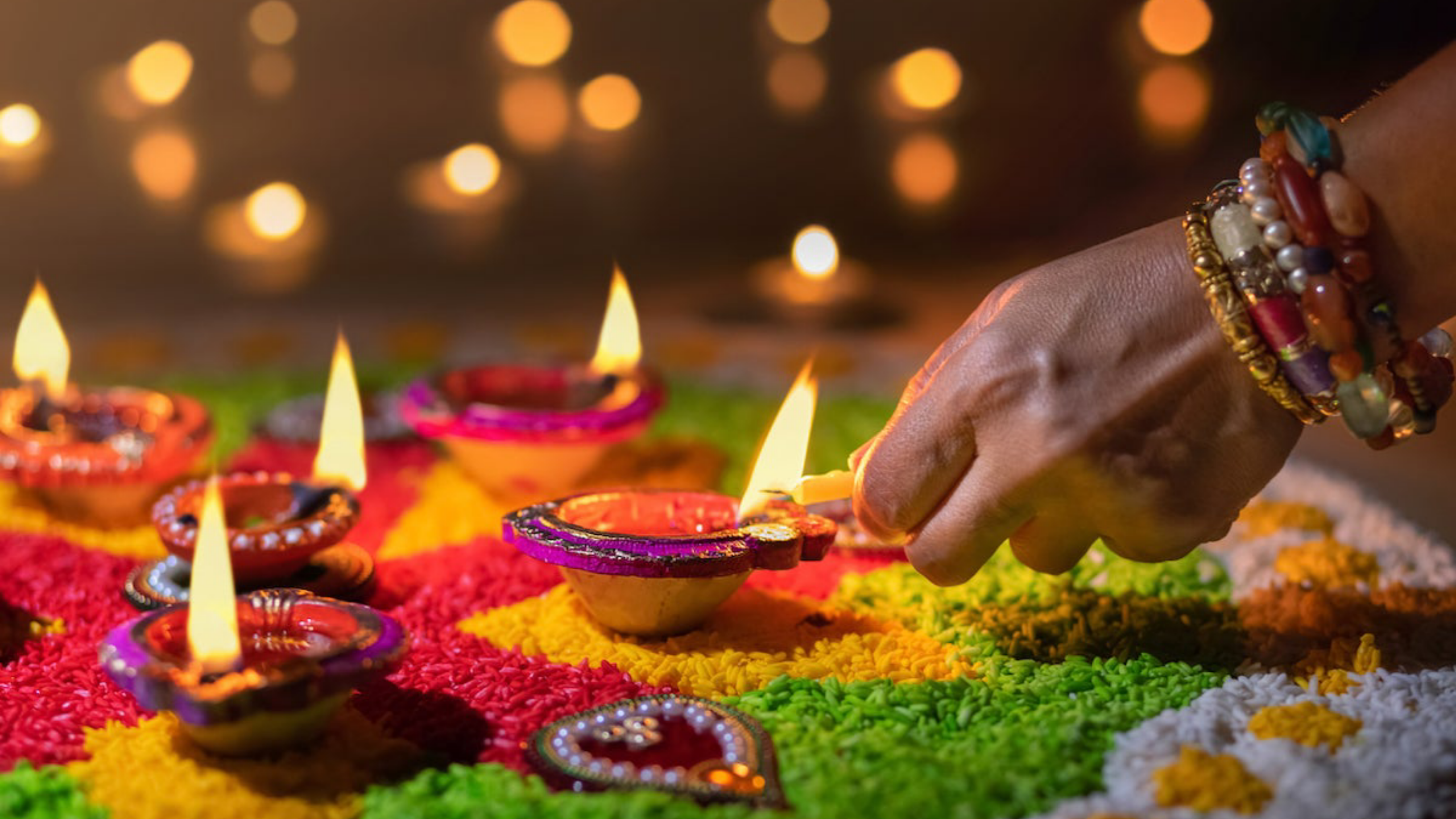
What is the difference between Diwali and Deepavali in 2023 It was celebrated in India and Nepal. Diwali and Deepavali are called the same way. Here I will be talking about the difference between Diwali and Deepavali in this festival.
During these 5 days, they can be celebrated with their own colorful light of hosur, which they happen to see there. Most people will go to another to celebrate Diwali and Deepavali together.
Diwali, also known as Deepavali, is one of India’s most widely celebrated festivals, representing a time of joy, illumination, and unity. It’s interesting to note that the name of this festival can vary based on regional and linguistic differences. In this blog post, we’ll explore the distinctions between Diwali and Deepavali while delving into the profound significance of this grand celebration.
The Festival Names
Diwali and Deepavali are essentially two names for the same festival. The key difference lies in their usage across India’s diverse linguistic and regional landscapes. Diwali is the more prevalent term, commonly embraced in North India and among the Indian diaspora worldwide. In contrast, Deepavali finds its popularity in South India and a few other regions.
The Significance of the Names
1. Diwali: The word “Diwali” finds its roots in the Sanskrit term “Deepavali,” which translates to “a row of lamps” or “festival of lights.” This name beautifully encapsulates the core of the festival, as lighting oil lamps, or diyas, stands as one of its central rituals.
2. Deepavali: “Deepavali” can be dissected into two components: “deepa,” signifying “lamp,” and “avali,” representing “a row” or “series.” Consequently, Deepavali translates to “a row of lamps,” emphasizing the festival’s focus on illuminating homes with lamps, symbolizing the victory of light over darkness.
Timing and Traditions
Diwali/Deepavali is celebrated with exuberance and a rich tapestry of traditions across India. Regardless of the name used, the festival typically falls in October or November each year, spanning five days. The central theme revolves around the triumph of good over evil and the homecoming of Lord Rama to Ayodhya after vanquishing the demon king Ravana.
Common Diwali/Deepavali Traditions:
1. Illumination: People light up their homes with diyas or candles, symbolizing the triumph of light over darkness.
2. Fireworks: Fireworks play a prominent role in Diwali celebrations, representing the victory of light over darkness with vibrant displays.
3. Rangoli: Colorful patterns are meticulously created at the entrance of homes to welcome guests and enhance the festive ambiance.
4. Gift Exchange: The exchange of gifts and sweets among family and friends is a cherished Diwali tradition.
5. Feasting:Families prepare delectable feasts and sweets to share with loved ones, adding a culinary delight to the celebrations.
Conclusion
In essence, whether you refer to it as Diwali or Deepavali, this festival magnificently signifies the victory of light over darkness, good over evil, and knowledge over ignorance. While the name may vary with region and language, the spirit of unity, joy, and hope remains constant. It’s a time to come together with loved ones, light lamps, and partake in the rich cultural traditions that make Diwali/Deepavali a profoundly special and meaningful celebration.
I hope you got all the meaning from it there. If you have any questions, please contact me via email. I hope both pronouns are the same, but the sentence might be a different way to listen to it out there.