

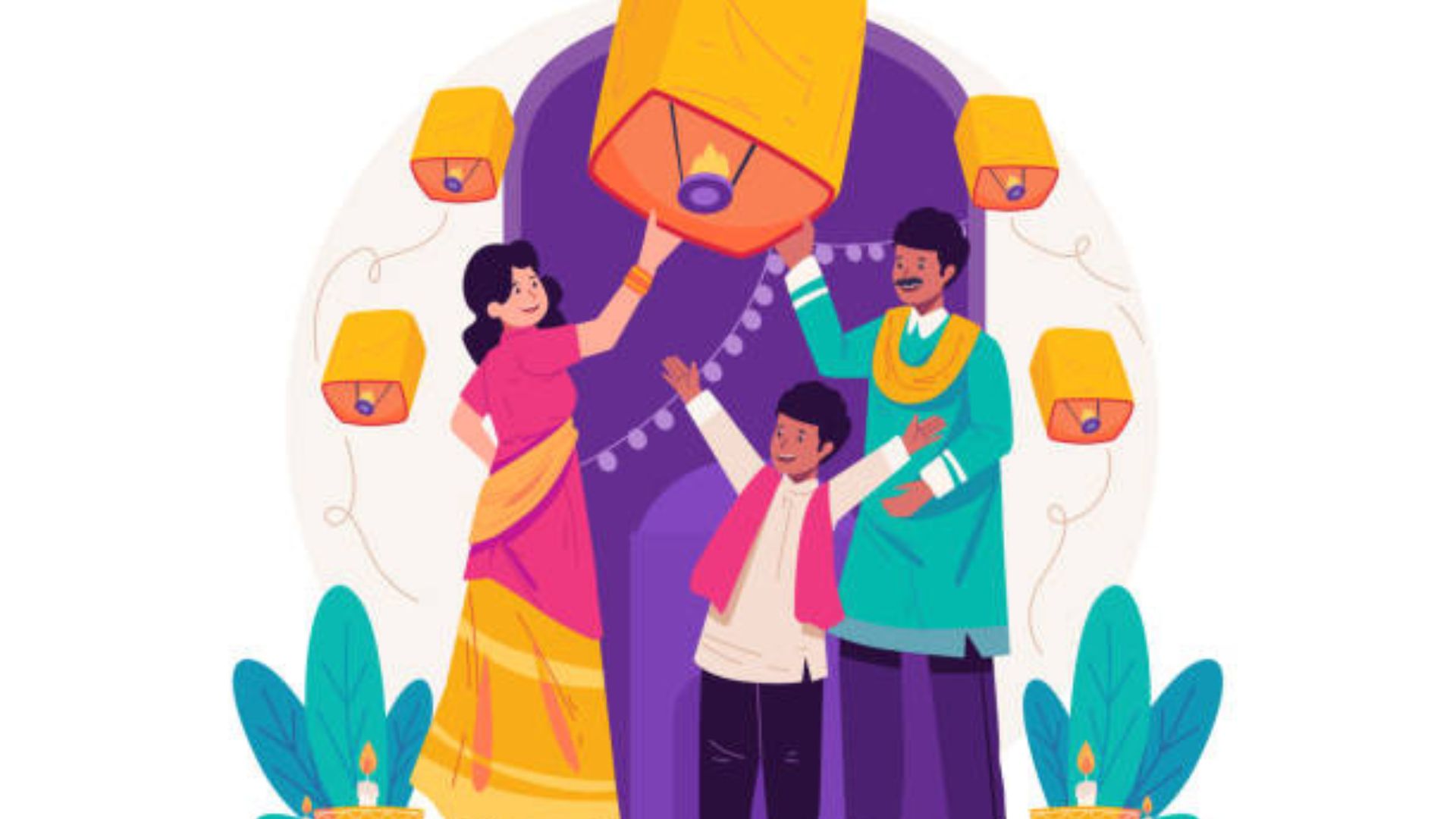
Who founded Diwali as the Festival of Lights, stands as a profoundly significant and widely celebrated festival in India and across diverse global cultures. Its roots delve into ancient customs and are adorned with numerous tales that highlight the victory of light prevailing over darkness.
The Significance of Diwali
Diwali embodies the conquest of good over evil, light over darkness, and knowledge over ignorance. It’s a time for rejuvenation, contemplation, and commemorating life’s prosperity.
Historical Origins of Diwali
The historical significance of Diwali is deeply rooted in ancient scriptures and cultural traditions spanning centuries.
Ancient Commencement
Tracing its inception to ancient texts and practices, Diwali emerged as a festival signifying the harvest season, celebrated with the illumination of lamps.
Cultural and Religious Significance
The festival holds a special place in various religions—Hinduism, Jainism, and Sikhism—signifying different historical events while resonating with the essence of Diwali.
Myths and Legends of Diwali
The festival is adorned with numerous myths and legends, each contributing a distinct layer to its celebration.
The Story of Lord Rama
One of the prominent legends linked to Diwali revolves around Lord Rama’s victory over the demon king Ravana, symbolizing the triumph of good over evil.
Triumph Over Ravana
Lord Rama’s return to Ayodhya after defeating Ravana marked the initiation of the tradition of lighting lamps and bursting fireworks, symbolizing the people’s jubilation and the defeat of darkness.
Goddess Lakshmi and Lord Vishnu
Another significant aspect of Diwali is the celebration of Goddess Lakshmi, symbolizing wealth and prosperity, and the worship of Lord Vishnu.
Honoring Celebrations
During Diwali, homes are adorned with lamps and colorful decorations, and prayers are offered to Goddess Lakshmi and Lord Vishnu, seeking blessings for a prosperous year.
Regional Diversity in Diwali Celebrations
The festival is celebrated with diverse traditions and customs across different regions of India.
Northern India
In North India, Diwali is characterized by vibrant rituals like exchanging sweets and gifts, creating intricate rangoli designs, and lighting traditional clay lamps.
Rituals and Traditions
The celebrations encompass cleaning and embellishing homes, offering prayers, and participating in community festivities, fostering a joyful atmosphere.
Southern India
In South India, Diwali showcases unique customs, emphasizing family gatherings and special culinary delights.
Distinct Practices
Activities such as lighting oil lamps, bursting firecrackers, and preparing special dishes mark the celebrations in this region.
Festivities of Diwali
Preparations for Diwali commence weeks in advance, symbolizing the triumph of good over evil and the welcoming of prosperity.
Preparations and Customs
The celebrations encompass thorough cleaning, shopping for new clothes, preparing traditional delicacies, and decorating homes with colorful rangolis and bright lights.
Illumination and Fireworks
The lighting of oil lamps and the bursting of fireworks symbolize the triumph of light over darkness, signifying jubilation and festivity during Diwali.
Symbolism and Tradition
Bright lamps and colorful fireworks represent the victory of righteousness and the dispelling of darkness from our lives.
Modern Celebrations and Global Recognition
While deeply rooted in Indian culture, Diwali has transcended geographical boundaries and is celebrated worldwide.
Diwali Across the World
The festival has gained recognition and is observed in various parts of the globe, uniting people in celebrating diversity and the victory of light.
Conclusion
Diwali, with its diverse tales, traditions, and customs, resonates with the universal message of hope, joy, and the victory of good over evil. Its celebration symbolizes the light within every individual.” I hope you will know everything while doing this Diwali time to do.
This Diwali will be celebrated in the Indian countryside was seen over there. Some of the interesting things they will be doing during the Diwali time. During this Diwali time, people will be celebrate with own family and friends also too.