

Janai Purnima In Nepali, Janai Purnima is one of Nepal’s most culturally rich and spiritually significant festivals, celebrated on the full moon day of the Hindu month of Shrawan (August). Deeply rooted in tradition, it honours purity, familial love, and the sacred bonds that connect humans to the divine and to each other.
The festival takes its name from the Janai, a sacred cotton thread worn diagonally across the torso by Hindu men who have undergone the Upanayana (sacred thread) ceremony. On this morning, devotees gather along the banks of holy rivers, lakes, and ponds—such as the high-altitude Gosaikunda Lake or the Bagmati River at Pashupatinath. People take ritual dips in the cold waters to cleanse themselves of past transgressions. Following the bath, priests replace the old thread with a newly blessed one, symbolising spiritual renewal, self-discipline, and a fresh commitment to truth and righteousness.
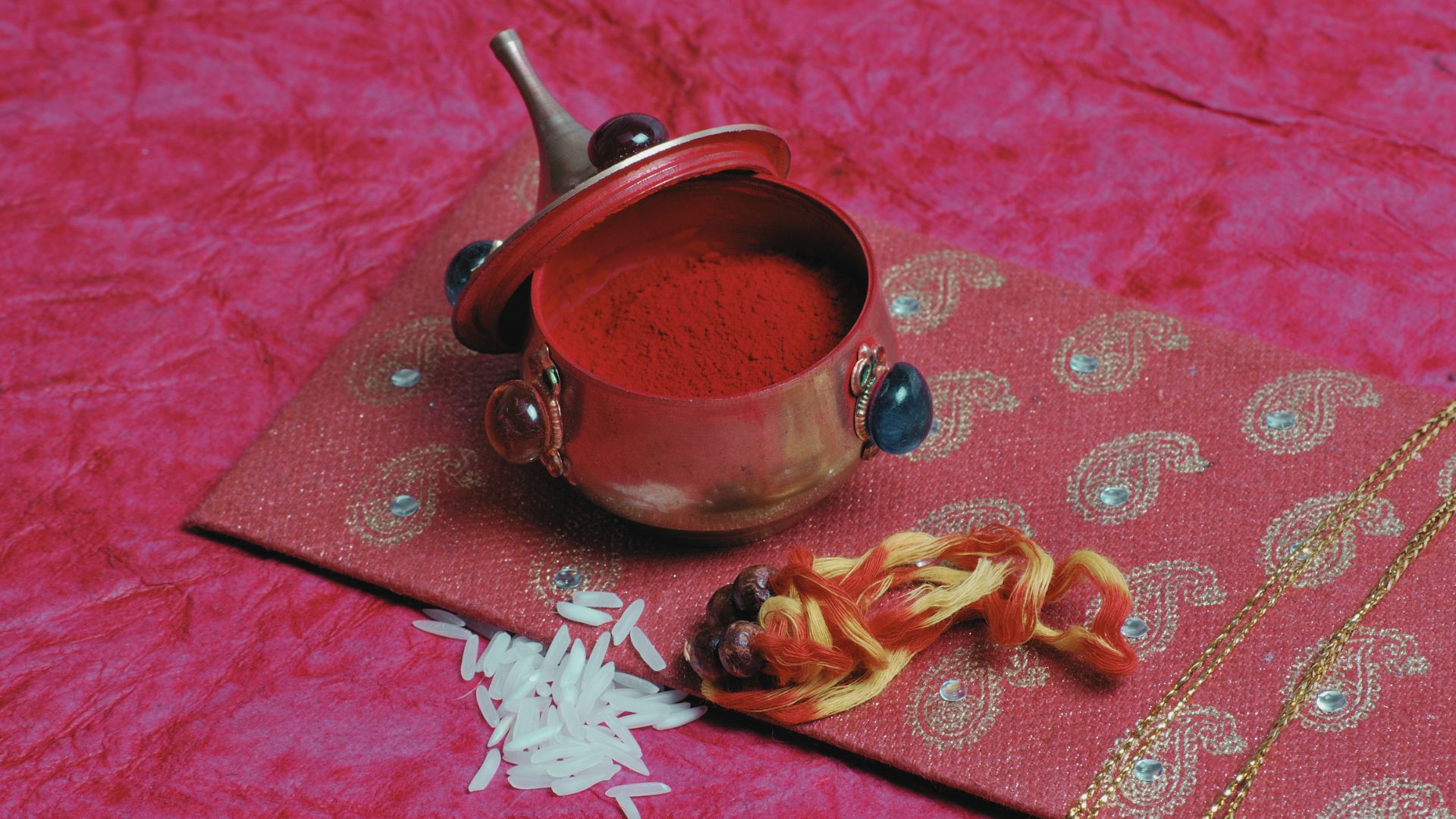
For those who do not wear the Janai, priests tie a yellow and red thread called the Doro around their wrists. This thread acts as a protective amulet, believed to ward off evil and bring good health until Lakshmi Puja during Tihar, when it is traditionally untied and attached to a cow’s tail to seek blessings.
Beyond its spiritual core, Janai Purnima is a vibrant celebration of togetherness and culinary joy. Families gather to enjoy Kwati, a hearty, comforting soup made from nine different varieties of sprouted beans. Rich in protein and spiced with traditional herbs, Kwati warms the body during the monsoon rains and highlights the agricultural wisdom of Nepali ancestors. In Newar communities, the day is celebrated as Gunhi Punhi, marked by traditional masked dances and ancestral offerings.
Ultimately, Janai Purnima is a celebration of human connection—a timeless reminder to cleanse the mind, protect one another, and find warmth around the family table.