

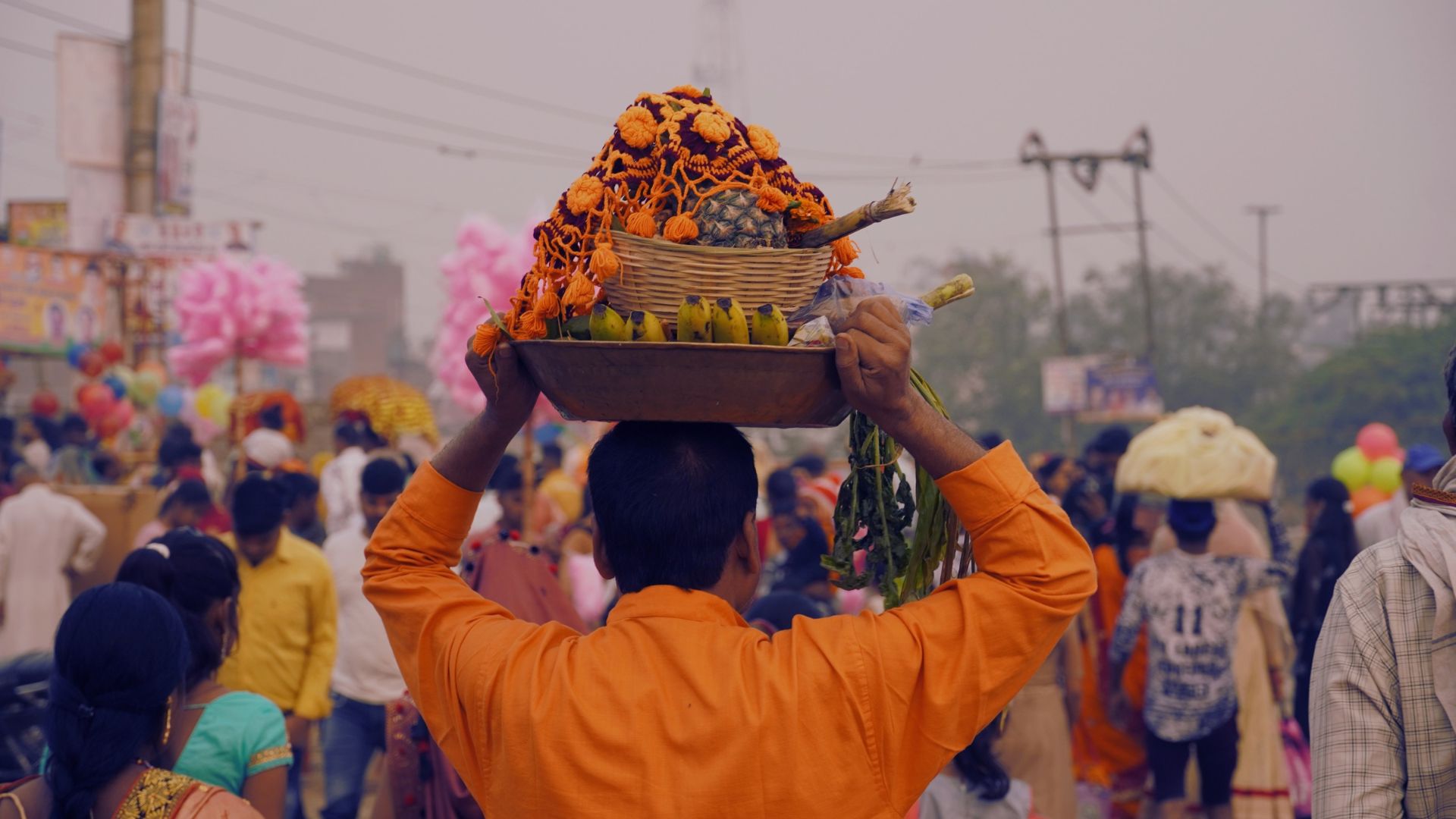
Chhath Puja 2083: Devotees Offer Prayers To The Rising Sun Across Nepal. Observed with deep reverence across the Madhesh and Mithila regions as well as major cities like Kathmandu, Pokhara, Biratnagar, Janakpur, and Birgunj, this ancient four-day festival honours Surya, the Sun God, and Chhathi Maiya. The culmination of this spiritual journey arrives with Usha Arghya on the morning of Kartik 30, 2083 (Monday, November 16, 2026), when fasting devotees stand waist-deep in cool waters to offer prayers to the rising sun.
In 2083 BS, the four-day observance begins on Kartik 27 (Friday, November 13) with Nahay Khay, a day dedicated to ritual bathing and cleansing both body and home. Devotees prepare a single, simple meal cooked without onion, garlic, or regular table salt, setting the tone for the spiritual austerity ahead.
The second day, Kharna, falls on Kartik 28 (Saturday, November 14). Throughout the day, observers maintain a strict fast without food or water until sunset. After evening prayers, they break their fast with kheer (sweet rice pudding made with jaggery and milk) and roti, sharing the sacred prasad with family and neighbours.
By the third day, Kartik 29 (Sunday, November 15)—observed as a nationwide public holiday in Nepal—the festive energy reaches its peak. Families dressed in vibrant traditional attire walk toward decorated riverbanks and pond ghats carrying woven bamboo baskets (daura) and winnowing trays (soop) brimming with seasonal offerings.
The true spiritual climax, however, unfolds in the quiet hours before dawn on the fourth and final day. Long before the first rays of light touch the horizon, families return to the water’s edge. Oil lamps flicker along the banks, casting warm golden reflections across the dark water as devotees wade back into the cold rivers and ponds.
At the ghats, there are no priests acting as intermediaries between the worshipper and the divine; every devotee prays directly to the life-giving sun. Wealth and social status fade at the water’s edge, where affluent households and families who gather offerings through community assistance stand side by side in shared devotion.
In recent years, Chhath has also grown into a powerful bridge of national unity. What was once celebrated primarily in the Terai and Mithila heartlands is now embraced across the hills and valleys of Nepal.
Chhath Puja 2083 serves as a timeless reminder of humanity’s dependence on nature and the quiet strength of collective faith. Through days of rigorous fasting, community cooperation, and heartfelt gratitude to both the setting and rising sun, devotees across Nepal celebrate not just a religious tradition, but the universal values of purity, equality, and renewal.